Levi’s Sued for Allegedly Misleading Consumers on Ethical Labour Practices
The Clean Clothes Campaign and four Dutch consumers have accused the denim brand of failing to meet the responsible production standards it promotes in its marketing.
Shayeza Walid is Senior Editorial Associate covering Sustainability at The Business of Fashion. She is based in London and covers stories on fashion's environmental impact, climate accountability, labour issues and other international stories across the supply chain. Previously, she was contributing reporter at The New York Times, covering South Asia and an international features contributor at Variety, Esquire and Screen International. She holds a Masters of Science from Columbia Journalism School.
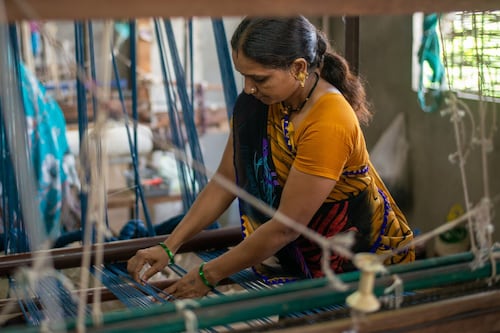
A US trade probe into forced labour could trigger new tariffs and import bans, forcing fashion brands to implement more robust supply-chain transparency.
A US trade probe into forced labour could trigger new tariffs and import bans, forcing fashion brands to implement more robust supply-chain transparency.
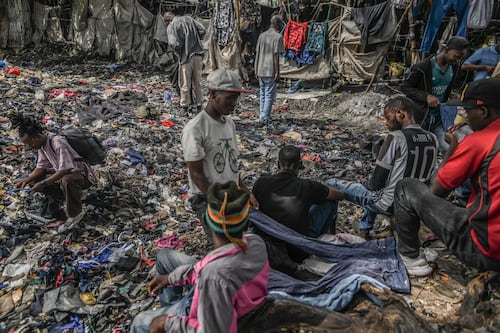
As the presence of PFAs in apparel comes into the spotlight, and ‘sustainable’ collaborations driven by overproduction hit the market, fashion’s definition of sustainability looks increasingly hard to defend.
As the presence of PFAs in apparel comes into the spotlight, and ‘sustainable’ collaborations driven by overproduction hit the market, fashion’s definition of sustainability looks increasingly hard to defend.
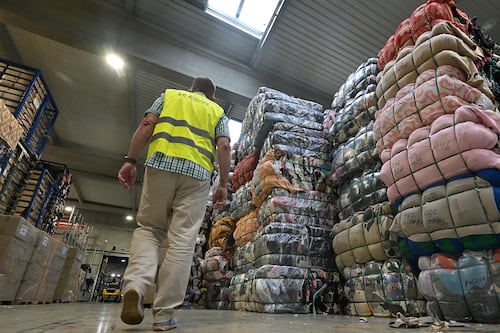
Europe’s textile-to-textile recycling sector is rebounding from a crisis and regaining momentum as new regulations drive investment. But to succeed in the long run, it needs more brands to buy in.
Europe’s textile-to-textile recycling sector is rebounding from a crisis and regaining momentum as new regulations drive investment. But to succeed in the long run, it needs more brands to buy in.
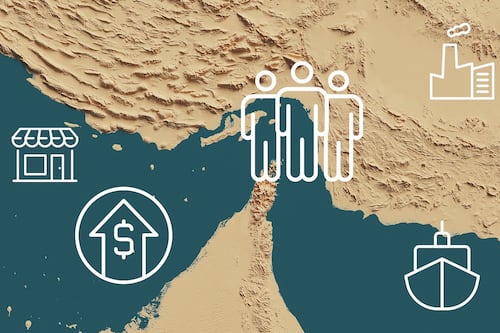
The conflict is already disrupting retail, driving up material costs and squeezing global supply chains, with price hikes likely next.
The conflict is already disrupting retail, driving up material costs and squeezing global supply chains, with price hikes likely next.
ADVERTISEMENT
BoF correspondent Shayeza Walid joins The Debrief to unpack H&M’s unprecedented climate progress paired with a dip in sales — and whether the Swedish giant can escape being slotted in the middle of the pack of the fashion market.
BoF correspondent Shayeza Walid joins The Debrief to unpack H&M’s unprecedented climate progress paired with a dip in sales — and whether the Swedish giant can escape being slotted in the middle of the pack of the fashion market.

From soaring plastic costs to aluminium supply shocks, the US-Israel war with Iran is unraveling the beauty industry’s overreliance on plastic packaging and infrastructural gap for affordable and scalable climate-friendly solutions.
From soaring plastic costs to aluminium supply shocks, the US-Israel war with Iran is unraveling the beauty industry’s overreliance on plastic packaging and infrastructural gap for affordable and scalable climate-friendly solutions.
From H&M’s bid to draw shoppers in with its sustainable positioning, Shein’s new circularity study and a campaign showing athleisure can be made using clean energy, fashion is trying to figure out sustainability’s saleability.
From H&M’s bid to draw shoppers in with its sustainable positioning, Shein’s new circularity study and a campaign showing athleisure can be made using clean energy, fashion is trying to figure out sustainability’s saleability.

As the conflict enters its second month, brands, retailers and business leaders across the region are leaning on crisis management and contingency plans amid an increasingly volatile security environment.
As the conflict enters its second month, brands, retailers and business leaders across the region are leaning on crisis management and contingency plans amid an increasingly volatile security environment.
ADVERTISEMENT
H&M Group CEO Daniel Ervér spoke to The Business of Fashion about why the retail giant is continuing to push on climate action, persuade consumers to see it as more than a fast-fashion giant — and prove that reducing emissions can drive business performance.
H&M Group CEO Daniel Ervér spoke to The Business of Fashion about why the retail giant is continuing to push on climate action, persuade consumers to see it as more than a fast-fashion giant — and prove that reducing emissions can drive business performance.
Textile hubs are already feeling the cascading risks of the conflict in Iran as Washington ramps up forced labour probes to revive tariffs, while decarbonisation in fashion’s factories might finally have a standard to go off of.
Textile hubs are already feeling the cascading risks of the conflict in Iran as Washington ramps up forced labour probes to revive tariffs, while decarbonisation in fashion’s factories might finally have a standard to go off of.

The fast-fashion giant is offering to let smaller labels plug directly into its famed on-demand manufacturing and global logistics network. But is the boost in speed worth the risk of putting operations in a competitor’s hands?
The fast-fashion giant is offering to let smaller labels plug directly into its famed on-demand manufacturing and global logistics network. But is the boost in speed worth the risk of putting operations in a competitor’s hands?
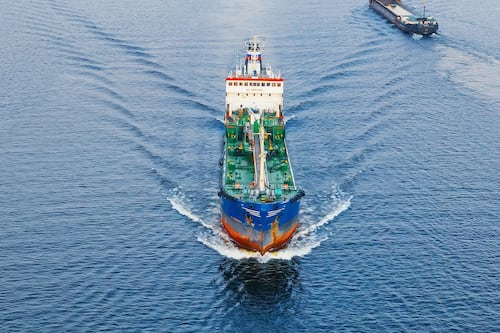
This week on The Debrief, BoF’s Shayeza Walid and Cathaleen Chen unpack why the war in Iran and disruption in the Strait of Hormuz matter to fashion — from synthetic fibre costs and factory energy shortages to freight surcharges and weakening consumer confidence.
This week on The Debrief, BoF’s Shayeza Walid and Cathaleen Chen unpack why the war in Iran and disruption in the Strait of Hormuz matter to fashion — from synthetic fibre costs and factory energy shortages to freight surcharges and weakening consumer confidence.
The Clean Clothes Campaign and four Dutch consumers have accused the denim brand of failing to meet the responsible production standards it promotes in its marketing.
The company is shifting to shorter-term, measurable goals after dropping its target of reaching net-zero emissions by 2040 last year.
The new tool published by the climate-focused nonprofit aims to create a standardised benchmark across textile facilities to accelerate fashion’s efforts to decarbonise.
The bloc’s overhaul sharply reduces the number of companies covered by ESG reporting and supply chain due-diligence laws, easing compliance pressures but increasing concerns over accountability.
The European Commission has adopted new measures that will require medium and large companies to stop discarding unsold clothing and footwear, in the bloc’s latest move to target textile waste.
The ultra-fast fashion retailer says it has updated language on its website following engagement with the group.
Kazumi Asamura Hayashi will take the helm later this month, marking a new chapter for Vogue Japan after a leadership transition at Condé Nast Japan.
A week after devastating floods, the industry association in Sri Lanka says multiple large facilities have been impacted, as recovery efforts for affected workers are underway.